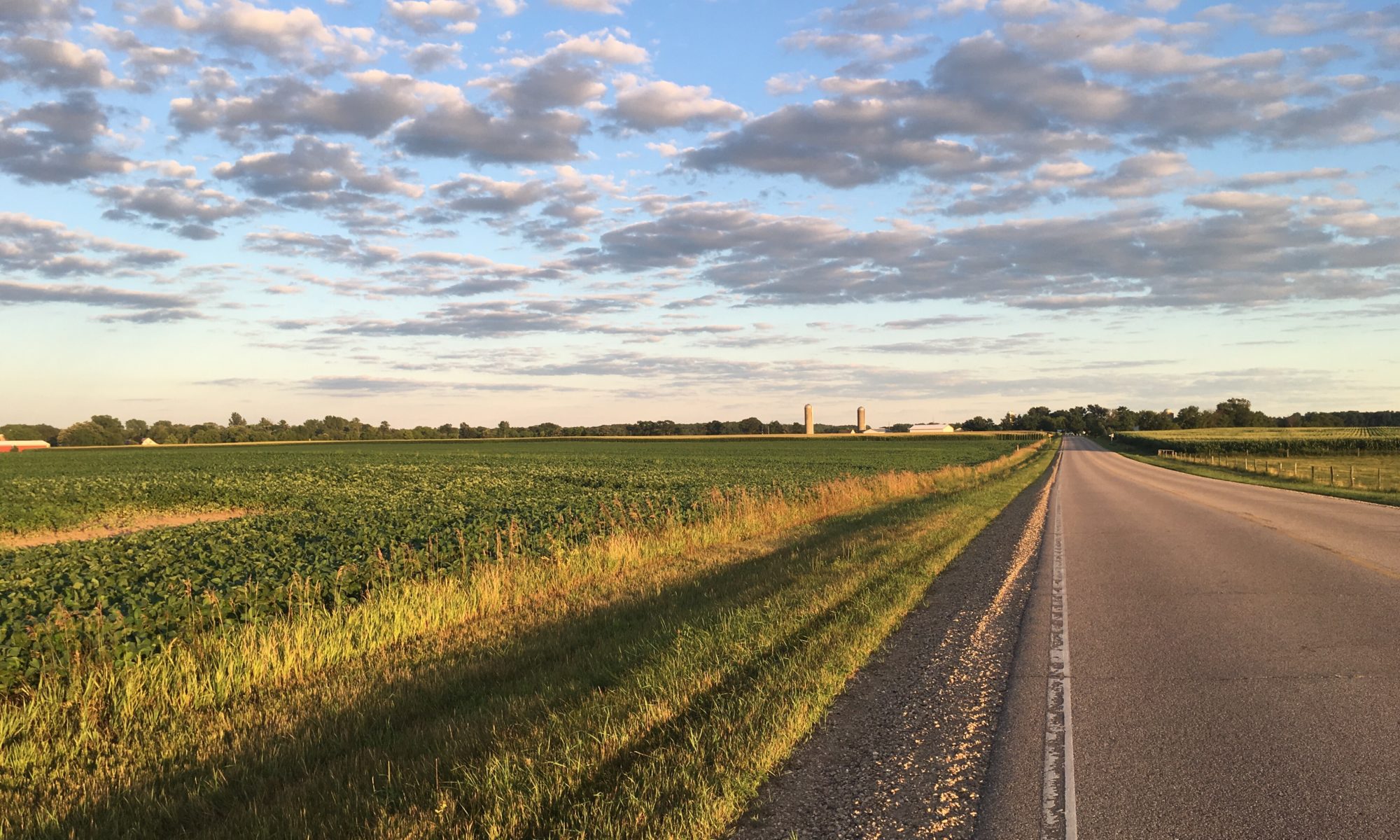
“Minna continued pulling up grass in big fistfuls. . . . One day she would decide to learn the names of her torture and be disappointed when she found them nowhere near as precise as how she’d identified them then: Sharpest grass, shiniest grass, curly grass, hardest-to-pull grass. She pulled all of it up from the roots, giving in to the slices in her palms, watching the dry soil break into dust….” ~ From The Little Bride
 When dreams turn to fantasy and take on a life of their own, and it becomes inevitable that they will fracture or crumble in the face of reality. Anna Solomon’s debut novel, The Little Bride, is the story of Minna Losk, a Jewish mail order bride on a journey to pursue her dream of life and freedom in America, which she assumes will include a handsome husband, a large house with running water, and servants of her own. What Minna discovers instead is the stark reality of life on a South Dakota homestead, marriage to a husband twice her age, and a forbidden attraction to the man who is her stepson.
Using subtle but rich details, Anna Solomon quietly introduces readers to each character in The Little Bride and takes us through the seasons of rugged South Dakota and through Minna’s self-discoveries. The characters are perfectly balanced, so that minutes after an unfortunate decision is made that casts a negative light, their stories still pull at the heartstrings of the reader. Today, I am honored to host Anna Solomon for an interview, where she discusses her novel and writing, and offers her best advice for others on the road to publication.
At the end of the interview, drop your name in the comment section for a chance to win a copy of The Little Bride. Random.org will choose the winner on Tuesday, January 3rd, at noon.
~
CC: In a post on Beyond the Margins, you talk about a musical-literary collaboration, with musician Clare Burson (called A Little Suite for The Little Bride) as an innovative way to introduce readers to your novel. Can you talk a bit about the structure of these performances and how readers have responded to them?
 AS: That’s a great question, because until people have seen Clare and I perform together, it’s hard for them to picture exactly what we’re doing. Basically, Clare wrote five songs inspired by scenes from my book. On stage, she starts playing a musical score, then I come in reading one of those scenes over her score, then my reading ends and she plays/sings the song that was inspired by it. Sometimes we break one of my readings up with music – I stop mid-scene for a musical interlude and then begin again. And sometimes the music drops out and I read in silence for a little bit. But that’s the basic rhythm of the work.
And there are projected images, too: old drawings or maps that Clare played around with in Photoshop, thrown up on the wall behind us in black and white. The images are there to accompany the various sections, and provide context; often they have text, too, maybe a line from the book, just to set the scene and give the audience a footing in our story. We wanted to create a narrative arc through the piece, which is similar to the novel but also can exist on its own, for the purposes of these performances. I find that aspect very satisfying – that we’ve created something inspired by but separate from the novel. It kind of mirrors the experience of publication, when you see your book go off and become something different in each reader’s mind. Maybe the performance process helped prepared me for that letting go. In any case, I’m excited that we already have more performances of our “Little Suite for The Little Bride” scheduled for 2012!
CC: Some of my favorite scenes in your novel are the early interactions between Samuel and Minna, the simple dialogue and how Minna describes his gestures. When he finds her pulling grass, helps her, and then leaves, her recollection of his departure says so much with so little — about his character, and hers. What was your favorite scene to write, and why?
AS: I did like writing that scene – especially after he leaves, when she’s replaying it in her mind. (Did he mean to breathe on her, or did he just breathe, like people have to do?) Minna’s a tough character – a survivor – and scenes like that let me into her tenderness, her humor. It’s funny – at some point I thought that the same scene might take place when she’s trying to milk the cow, that Samuel would wind up behind her, showing her how to do it, but then I thought: gag! My favorite scene to write might be one that comes pretty late in the book. I won’t give away too much, but it also involves Samuel and Minna – they’re standing outside at dawn and though nothing very physically intimate happens between them, it’s probably the closest they come to a true emotional intimacy in the whole book, without the walls they usually have up. Also, it involves a circus and gunshots, so those parts made it fun to write, too.
CC: You recently started up a blog on your website. How do you like the blogging platform? And, do you find it offers more freedom in writing?
AS: Honestly, I’m not sure about blogging – for me. I held off for a long time (aren’t new blogs sort of passé at this point?) and now that I’m attempting to do it I feel a kind of pressure and I’m starting to think I’m not going to be able to fulfill my idea of what I want to do with it. I like the posts I’ve done, and writing them was fun, but especially as I dive deeply into my second novel, I feel like I only have so many things I can pay attention to. In some ways I think I’m just not cut out for multi-tasking in my writing, or for quick, off-the-cuff pieces. I enjoy them, and they do offer a different kind of freedom – there’s something nice about just pitching my voice into the soup and seeing where it goes – but I’m also not entirely comfortable with the process. I’ve found this with writing for online formats before: I’m not prepared to move so quickly. Editors get frustrated with me. I think I’m a slower thinker, a slower writer.
That said, I’m loving being part of the wonderful Beyond the Margins blog. That gives me a way to try my hand at blogging without having to be the sole proprietor, so to speak – and more importantly, it’s introduced me to this amazing, incredibly supportive group of writers, all at different stages in our careers, eager to offer other writers bits of our own experience.
So we’ll see. I’m going to stick with my blog for a while, see if I can make it fun for myself, and also experiment with different kinds of posts.
CC: What are you reading these days?
AS: I’m loving Amos Oz’s A TALE OF LOVE AND DARKNESS. Not crazy about the title – it’s so generic, I forget it every time I put the book down – but the book itself is wonderful: a memoir of Oz’s childhood in Jerusalem, and also of course the story of Israel itself. I’ve loved hearing Oz speak about conflict, war, and peace, and I find his book adds a complexity to those soundbytes – it’s very rich, very generous, and beautifully written, too. I’m also reading a totally different kind of book, a novel that came out last June, DAUGHTERS OF THE REVOLUTION by Carolyn Cooke. It’s about the first black girl (admitted by clerical error!) at an elite New England boarding school. But it’s about so much else, too – Cooke’s characters are totally real, often eccentric, always struggling to hang on to their individual selves even as they scramble to belong within “society” (theirs or others’). Her writing feels almost anthropological: look at these things, they’re called people, they create institutions like this, and they run around like that trying to get in or out.
CC: What advice do you have for writers on the rise?
AS: Stay focused on the work itself. I think the hardest thing about having my first book published was how obsessed I had to become – at least for a few months, while on tour – with my “career.” It’s so important, of course, I wanted to give my book the best chance possible, but it was also easy to lose track of the whole point: writing. When I was in an MFA program, just starting to publish short stories, I had this very rigid boundary for myself between writing and submitting stories – I would only deal with submissions at night, after my “real” work was done, and I wouldn’t think of it most of the time, I’d forget that the question of publication even existed. This gets tougher, of course, as you’re lucky to publish more, but I think it’s important to try to keep that boundary there. Now, as I start back in on my next novel, I’ll put up my wall again: in the morning, when I’m writing, there will be no phone calls, no internet, no criticism or praise to ingest, just me, my characters, my story. For me, this is the only way – I need rules, to bring my back to the work.
~


