
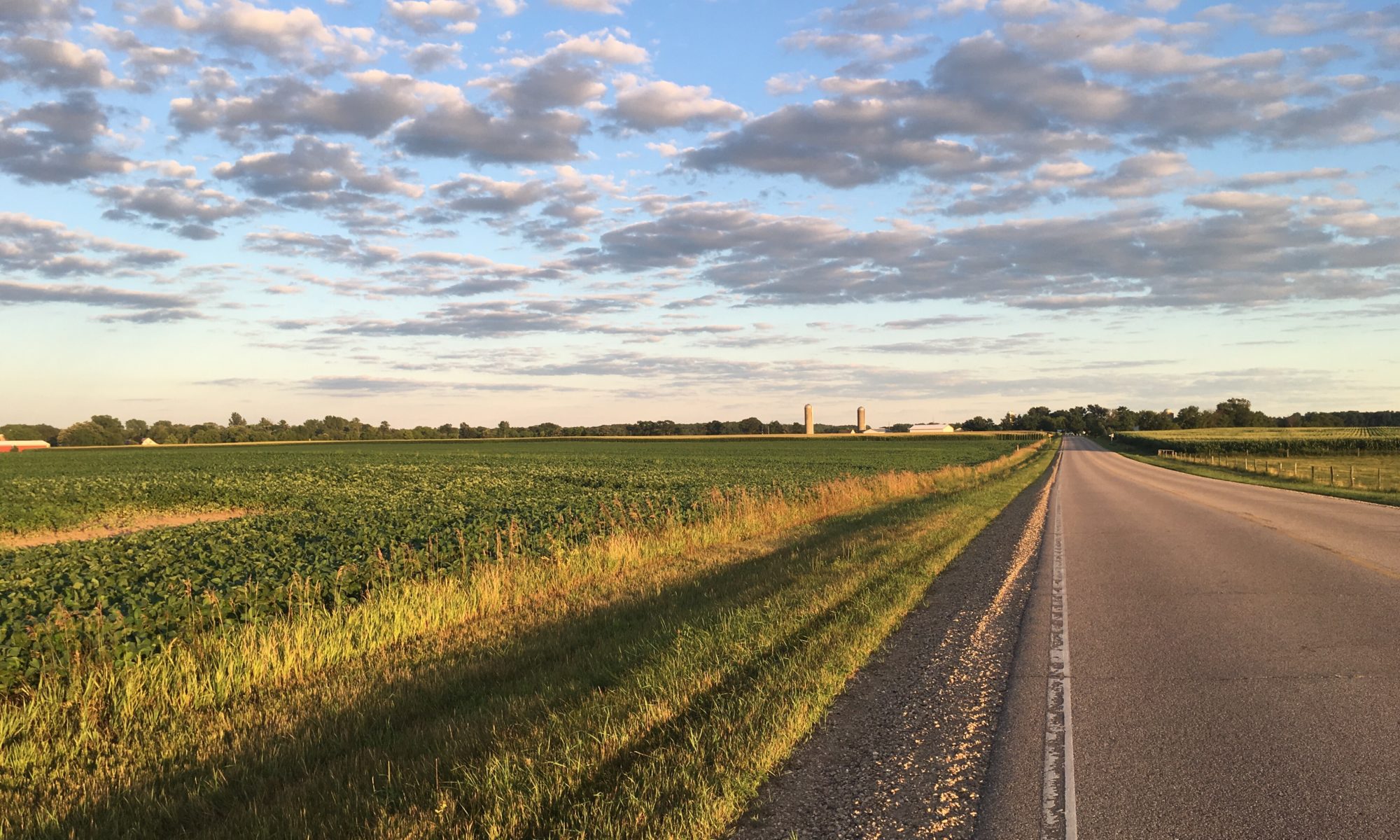
I may be sunning, but I’m writing just the same (thought by thought, word by word).
Where are you writing today?
Photo courtesy of V.M.
Writer | Teacher | Editor | Publisher
I may be sunning, but I’m writing just the same (thought by thought, word by word).
Where are you writing today?
Photo courtesy of V.M.
 This is the last week of school for my kids, which means this is the last week I’ll have extended periods of uninterrupted writing time for a while.
So, in lieu of spending two days writing a blog post (which, inevitably, is how long it takes me to get it to a self-satisfied publishable level), I’m leaving you with a few links to some great reading I’ve bookmarked.
1) You may have seen these tips before, but it never hurts to read them again: 5 Writing Lessons 1 Writer Learned From Being an Editor, by Emily Wenstrom.
What makes a story good? Which will appeal to my readers? What’s the difference between a story that’s truly awful and one that is simply not up my alley?
2) And this reminder, in From the Slush Pile: Have You Got What It Takes? by Sarah Banse, to keep submitting, even when one editor turns you down:
Art is subjective. Readers have individual sensibilities and biases. Believe in your work and have faith that someone shares your artistic vision.
1) It’s all about perspective. In The Map and the Trail, Donald Maass highlights the importance of giving readers both the big picture and the close-up view of your character’s journey.
So, day-to-day what mostly do you observe in your life…the forest or the trees? Probably it depends on the day. That’s as it should be. And so it should be for the characters whose paths we hike in your fiction.
2) I love the saying that the real writing happens in the rewriting. In On Multiple Drafts, DM Gordon explains well how revisiting drafts (again and again) works for us, not against us.
[E]ach story has its own questions and each answers to its own world.
What have you bookmarked lately?
 As humans, we are natural storytellers. For me, certain images and smells strike me hard: tapping a memory, pulling me back into time, and demanding that I form those memories into something I can share.
Lisa Cron (WIRED FOR STORY) explains that urge well in this interview on Start Your Novel, “Storytelling is the most powerful tool for change and insight in the world. We’re wired for story. . . . story is what shapes our sense of self, how we see the world, and what actions we therefore take.”
As writers, we work hard to craft our stories into rich pieces of art to which others will relate, or–in the least–enjoy.
We study techniques, memorize rules.
We practice, practice, practice.
We want to get it right.
But, everything in writing is subjective. Even the rules, so necessary in many ways, are questionable. I love this article by Anjali Sachdeva in Creative Nonfiction, where Sachdeva challenges some of the common rules of writing:
Rules. Writing teachers love to sling them around, and writers love to cling to them. Maybe it’s because creative writing is such a slippery and chameleonic undertaking that we’d like to believe there are some dependable guidelines we can trust. But while writing rules can be good starting points for avoiding common mistakes, they all have their exceptions.
[“Show, don’t tell”], without a doubt, [is] the most over-invoked piece of writing advice of all time. . . . In its most basic sense it means “describe and give details, rather than just stating what happened.” . . . Like any writing “rule,” “show, don’t tell” has its exceptions, but the truth is that these exceptions are almost as common as the instances in which a writer should be “showing.” Most pieces of writing involve constant alternation between summary or exposition and “in-scene” writing (where all that great description, figurative language, and detail comes into play). When we focus too much on “showing” instead of “telling” we risk overloading our prose with unnecessary descriptors, or devoting excessive page space to something that would be better dealt with in a few sentences of summary.
“Show, don’t tell” strengthens our writing and, when done well, gives our readers an (almost) tangible way to experience the story. However, sometimes this great technique can “overload the prose,” as Sachdeva says, and overwhelm a reader, negating our attempts at successful storytelling.
Max Garland’s essay, “Sin” (also on Creative Nonfiction) certainly packs a small space with powerful images, but there are times throughout where the author turns to telling and pulls the reader along in a way that the images do not:
Once, for instance, I lit a field on fire. It started with a haystack, and I don’t remember from where I stole the matches. I do remember the smell of striking several and watching the straw catch and then putting it out, and then again and again, and although I thought I’d doused the thing, somehow the whole stack went up, and my grandfather was jerking the garden hose toward the field, and I was watching the flames from some shadow somewhere, and simultaneously constructing an alibi, and still watching it burn, beautiful as the lie I was crafting. It was like that.
Take a look at the rest of Anjali Sachdeva’s article and read Garland’s essay in full. Are there times when telling, not showing, will make the difference in your work?
The way my mother told it….
(This prompt comes from Patricia McNair’s Journal Resolution ~ A Daily Prompt project.)