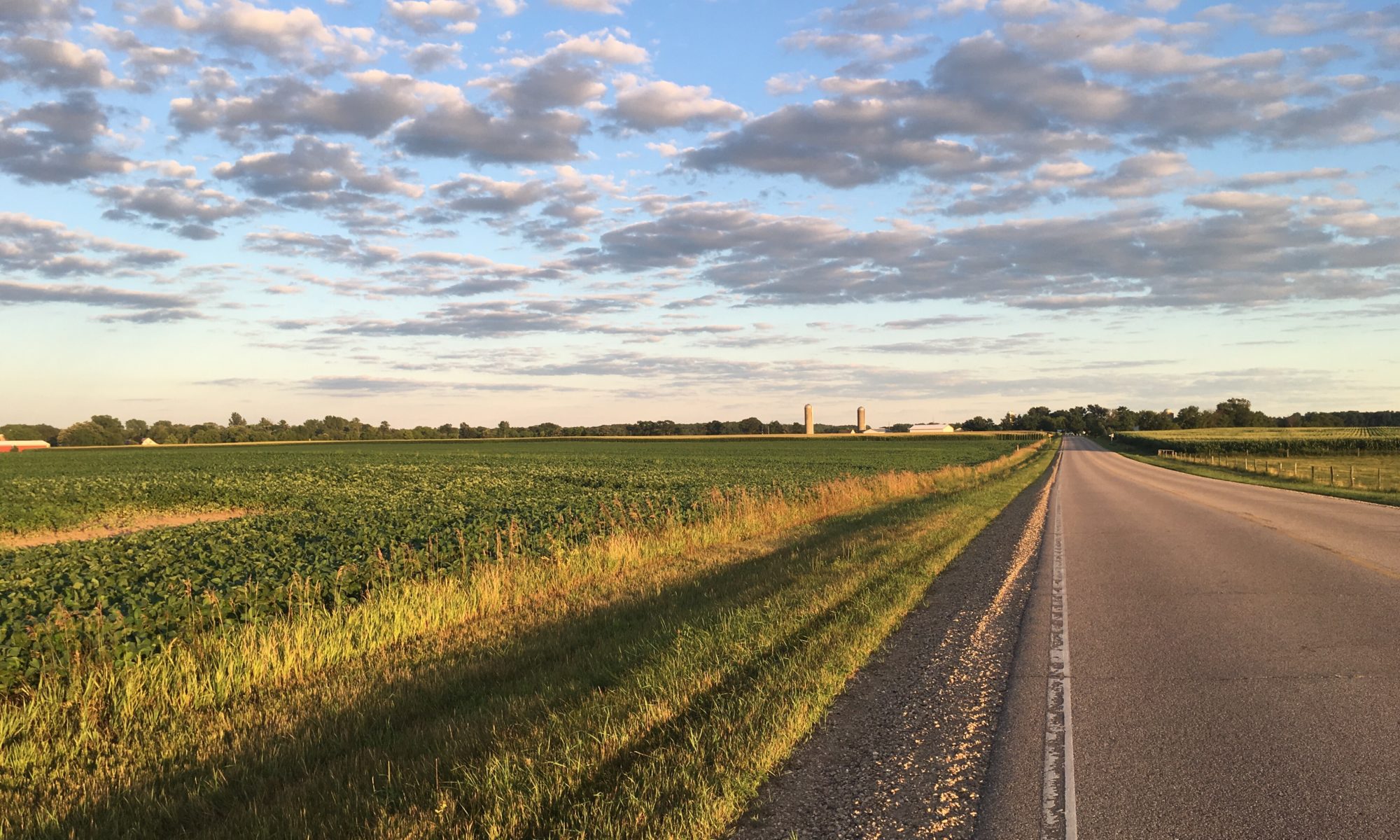
Lately, I’ve been thinking a lot about details, perspective, and the filters through which we view our world. The way these three concepts work together are never more apparent than when I study photos, mine or someone else’s.
 I found this tiny portrait in an old empty bank building somewhere in Waxahachie, TX. I was twelve. My mother and I were extras in Places in the Heart (a story in itself).
One particular night, they were filming a carnival scene right outside the bank. It was cold out, I’d been stuck up at the top of a Ferris wheel with another “extra” friend for what seemed like hours. We were in between shoots, and somebody mentioned hot chocolate being served inside the bank. So my friend and I hid out in the building long enough to warm up, drink too much, and discover the tiny photo wedged between two strips of floorboard. I’m sure I was supposed to leave the photo there, not touch anything but the cocoa. But I picked it up anyway and slipped it into my overalls pocket, took it home and tucked it away.
I love this photo for its size, for the look of the woman in it–her expression, her posture, the way the ribbon at her collar falls flat. In this image, I can imagine her view of the world and even her emotion: bored, a little tired, maybe a hint of nervousness disguised as indifference toward the photographer.
Fast forward plenty of years when I uncovered more tiny portraits, this time digital pictures and I knew the photographer: my daughter at four years old who snuck off with my camera and captured her view from 36 inches. The photos she snapped showed the silly moments I missed in my everyday busy-ness and revealed a vision of truth.
The baby.

The blur.

The brother.

And me.

Each photo as a whole reveals so much about her at that age, but also about those around her, and it’s in the details where she captures that time and space: Special Baby in the spotlight; Mom in motion (that’s me in that blurry shot); her mischievous brother; and me again–this time at my laptop, clickety-clacking away, writing a blog post, journal close by, checkbook just beyond my fingertips, coffee. (By the way, very little has changed in the last seven years, except that Special Baby has been carefully tucked away and I’m drinking decaf these days.)
My daughter’s photo collage and the portrait of the unknown woman perfectly illustrate the act of storytelling. In a snapshot, we share our framed view of the world and invite others to see life through our lens–a different, often new point of view (literally and figuratively). The story we capture, though, isn’t revealed only in the object at the center, but in the details that fill the frame, in the timestamp of when it was taken (or when it was found), and in the perspective from which we shoot–in focus or not.
I bet you have a favorite photo or two. How does that image reveal your world or the world of the person who took it?
Better yet, how does your writing reveal your world? Because really, when we incorporate the same kind of study in our stories and essays, our words–and our worlds–become that much stronger.
Don’t forget, Principles & Prompts is open for registration.
Join me online for 6 weeks of lessons on storytelling and creativity
and plenty of writing prompts.
 You’ve got a story. You’ve got that urge to write. But where do you begin?
 There were the windows, the solitude, the pride in calling that space Mine. There was the feeling that having a writing studio somehow makes me an official writer. And in many cases, that has been true. I did a lot of work in that space: wrote plenty of blog posts, revised several essays, peeked at my novel time and again. In the end though, getting there became a challenge (there’s the day job, time with family, trips out of town…things I couldn’t or wouldn’t give up for a few hours in the studio). So I wrote the email to my landlord, let it sit in my draft folder for the day, sent it the next morning. Got a little weepy when packing up books and sweeping the floor.
